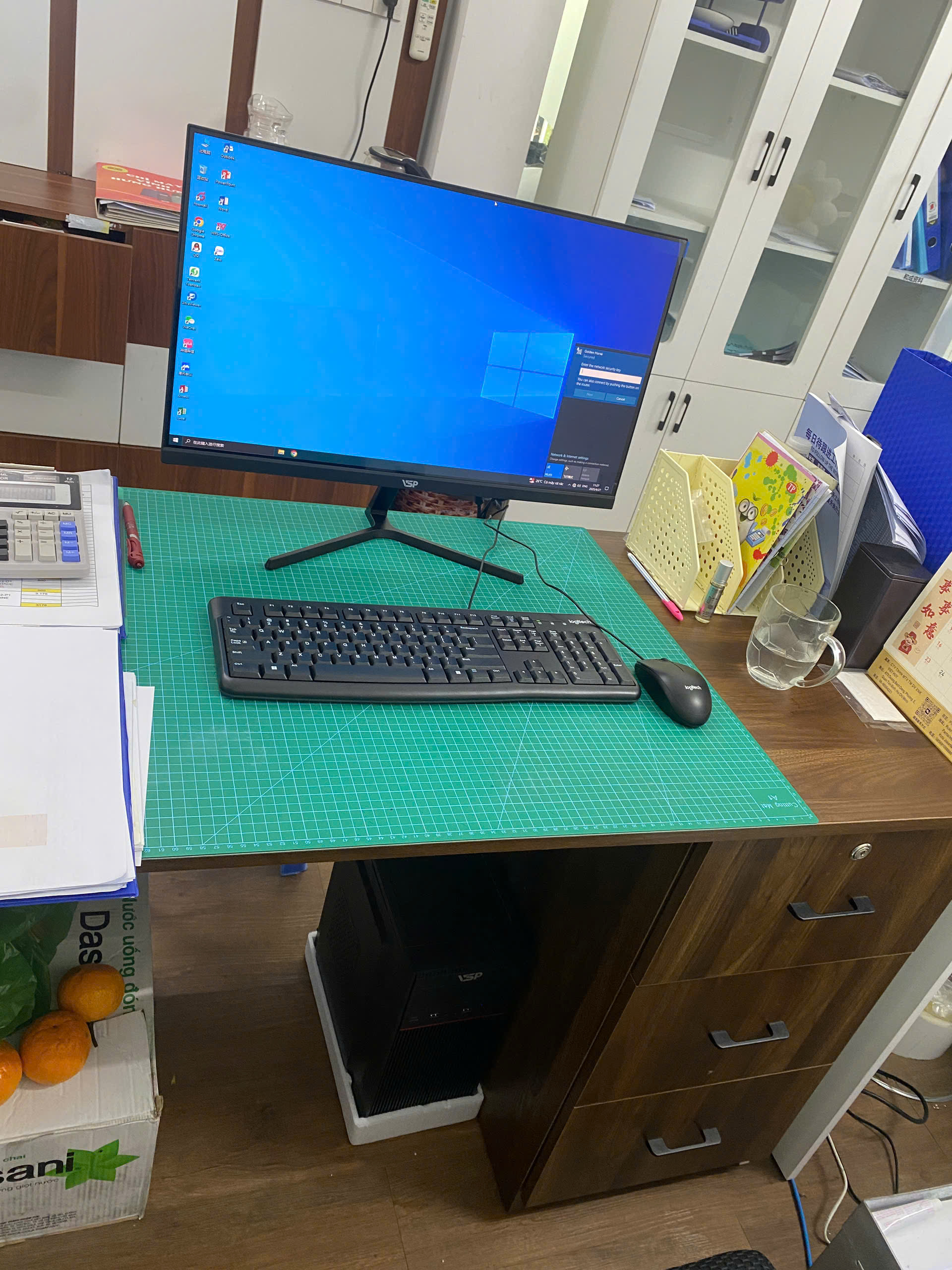


CPU? The correct way to choose a computer without missing out is one of the keyword groups with a steady and consistent search volume because it hits users who really want to buy a computer, upgrade a computer or understand the configuration before spending money. If you are learning about CPU, the important thing is not to remember all the parameters, but to understand its role in the mechanism and know which experience it affects the most.
At TGS, when consulting customers at Long An, Đức Hòa, Đức Huệ, Tây Ninh and TPHCM, we found that the Most wrong buying decisions come from misunderstanding the function of the component or misplaced priorities. At Long An, Đức Hòa, Đức Huệ, Tây Ninh and TPHCM, many device buyers only look at the name CPU without understanding how it affects the actual experience. This article is written in a pragmatic way: easy to understand for newbies, with enough depth so that people who have used the device for a long time can still learn how to read the configuration better.
What is CPU?
In short, CPU is the central processor, which receives commands from software and hardware to calculate, compare data and coordinate the entire system. When you understand the concept according to the actual role, you will see why for the same amount of money, there are machines that are very usable, while there are machines that look strong at the configuration panel but the experience is lacking. The difference often lies in whether the buyer has correctly understood CPU, and has placed it in the correct position in the overall problem or not.

This is also the reason why articles explaining the form "What is CPU" always have long-term value for SEO. Users come in with a very basic question, but if the answer content is clear, has practical examples and leads to the step of choosing the right device, they will stay longer, view other pages and easily come back when they have a real need to buy.
Why is CPU important in a computer set?
No component is strong in the absolute sense. A CPU is only truly "worth the money" when it properly handles the work you do every day. If you use a computer for the office, your priorities may be completely different from gamers. If you work in accounting, video editing, coding, livestreaming or sales, the evaluation method will also be different. Therefore, the best way to read a component is to always ask yourself: if I lack or choose the wrong component, what problems will I most likely encounter when using it?
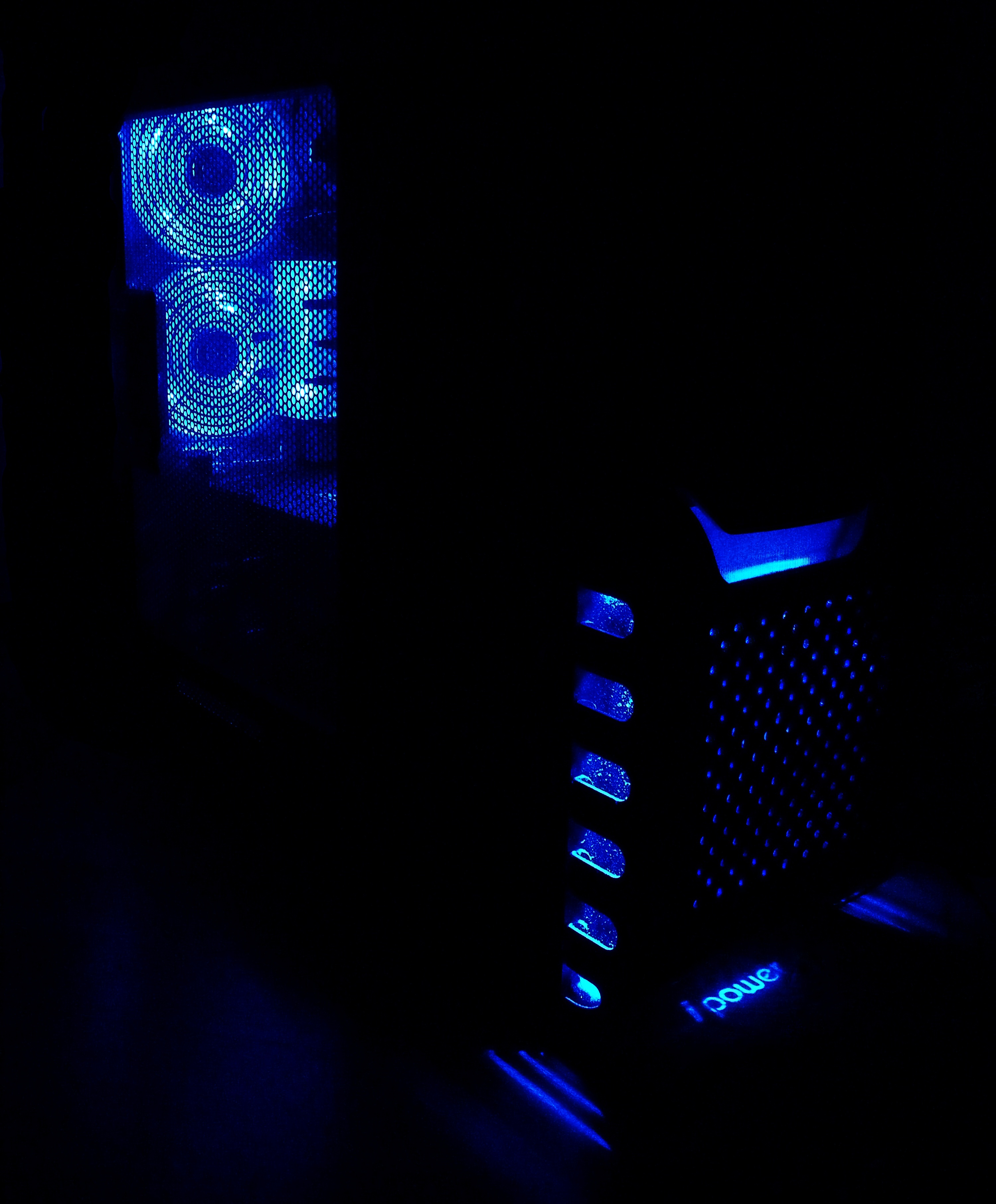
- System command processing: CPU is the coordinating brain, where arithmetic, logic and software commands are performed.
- Maintain overall smoothness: When CPU is strong enough, opening applications, switching tabs, extracting files, multitasking and background processing will be much more comfortable.
- Create background for upgrade path: Choosing the correct CPU from the beginning helps the machine to have a durable structure, avoiding a blockage due to a too weak component.
How to choose CPU according to real needs
Many people have the habit of starting with the question of which model, which year, which brand to buy. Actually, the more effective sequence is the opposite: start with the software and the work you will do, then choose the configuration. This approach is especially useful if you are facing many options priced close to each other. When you know clearly what you need at CPU, you will be less caught up in advertising and less likely to close based on emotion.
- Seen from actual software: Word, Excel, sales software, games, streaming, Photoshop or Premiere all create different pressures on CPU.
- Don't read the name lines mechanically: The names i5, i7 or Ryzen 5, Ryzen 7 only indicate the segment and do not replace the reading of generation, multiplier, number of threads and power consumption.
- See the ability to hold pulses and heat dissipation: CPU is strong but limited by poor heat dissipation or the main board is too weak, the actual performance will be clearly lacking.
- Balanced with GPU, RAM and SSD: A good movement is an even movement; CPU is too strong and SSD is slow or RAM is too little and it is difficult to create a good experience.

Common mistakes when researching and buying CPU
Most mistakes do not come from lack of information, but from using the right information in the wrong context. For example, a recommendation that works for a gaming machine might not work for an office machine. A valuable model in one market may become unattractive in another market if the price difference is too far. That's why you should carefully read the common errors section, because this is where you can best avoid losing money unfairly.
- Just look at GHz: Clock is important but not enough. Architecture, cache, core count, thread count and load level are the deciding factor.
- Buy too much compared to needs: If you only use basic office, putting too much budget into CPU will lack money for SSD, RAM or monitor.
- Skip platform: CPU only works properly when the mainboard, power source and cooling solution are compatible.

Suggestions for each user group
To make CPU a worthy choice, you always have to tie it to a specific user persona. A device for someone who opens many tabs all day will be different from someone who only studies online. A gamer who enjoys esports will be different from someone who is a heavy gamer or someone who makes videos. When you determine which group you belong to, all future shopping decisions will be easier to follow.
- Office users: Should choose CPU which is more stable, cool, saves electricity, opens files quickly and can run many background applications.
- Gamer: Needs CPU to be strong enough to keep FPS stable, especially in esports games or when playing while chatting, streaming, or recording screens.
- Graphics maker, render: Should prioritize CPU with multi-core power, good pulse retention and good coordination with RAM, SSD, GPU.
The most practical tip when buying a device is to not ask "which one is the most powerful", but ask "which one solves exactly what I do every day and still has room to upgrade".

FAQ about CPU
Below are questions TGS often receive when consulting computers for customers at Long An, Đức Hòa, Đức Huệ, Tây Ninh and TPHCM. They are very real concerns, as well as This is the group of queries that Google appreciates if the article answers clearly, correctly, and without beating around the bush.
CPU Are 4 cores still enough?
For a basic office, it's still enough in many situations, but from a long-term perspective, 6 cores or more will be more comfortable.
Should I upgrade CPU or SSD first?
If your computer still uses a slow hard drive, upgrading to SSD first often feels like the biggest change. Once you have SSD, see if CPU is a bottleneck or not.
CPU Is the new generation always stronger than the old CPU?
Mostly yes, but still must be placed in the same segment and compared to the correct specific code.

Conclusion: correctly understand CPU to choose the right machine for the money
In short, CPU is not a parameter just to read. It is the key to helping you understand how the device you are about to buy will serve your work, study or entertainment for many months and years to come. Once you get it right, you'll be less tempted by the catchy headlines, and start evaluating configurations the way real users need to.
If you want to see more configurations divided according to needs, you can visit home page TGS, view the office machine catalog or read more at private article repository inquiry. It's a simple way to go from understanding components to choosing the right product to suit your budget and real needs.