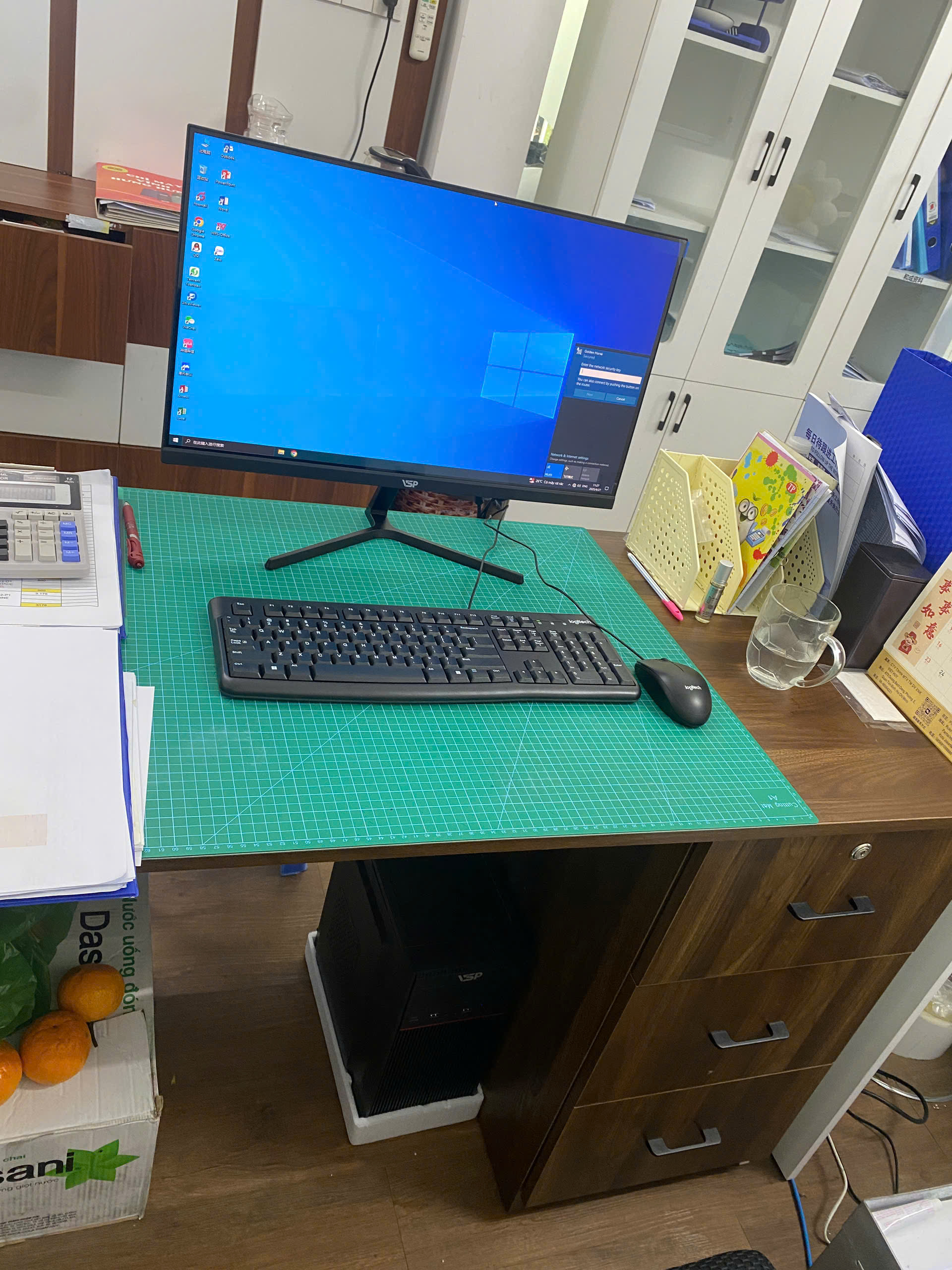


CPU What is the difference between laptop and CPU desktop? Don't compare the name but mistake performance as one of the keyword groups with a steady and durable search volume because it hits users who really want to buy a device, upgrade a device or understand the configuration before spending money. If you are learning about CPU laptop and CPU desktop, the important thing is not to remember all the parameters, but to understand its role in the system and know which experience it affects the most.
At TGS, when consulting customers at Long An, Đức Hòa, Đức Huệ, Tây Ninh and TPHCM, we found that the Most wrong buying decisions come from misunderstanding the function of the component or misplaced priorities. Many customers at Long An asked why the same i7 laptop does not run like a desktop; This is an easy to understand and practical explanation. This article is written in a pragmatic way: easy to understand for newbies, with enough depth so that people who have used the device for a long time can still learn how to read the configuration better.
What are laptop CPUs and desktop CPUs?
In short, CPU laptop and CPU desktop differ in power limit, heat dissipation, clock holding ability and manufacturer's optimal orientation. When you understand the concept according to the actual role, you will see why for the same amount of money, there are machines that are very usable, while there are machines that look strong at the configuration panel but the experience is lacking. The difference often lies in whether the buyer has correctly understood CPU laptop and CPU desktop, and has placed it in the correct position in the overall problem or not.

This is also the reason why articles explaining the form "What are CPU laptop and CPU desktop" always have long-term value for SEO. Users come in with a very basic question, but if the answer content is clear, has practical examples and leads to the step of choosing the right device, they will stay longer, view other pages and easily come back when they have a real need to buy.
Why are CPU laptop and CPU desktop important in a computer set?
No component is strong in the absolute sense. Laptop CPUs and desktop CPUs are only truly "worth the money" when they handle the exact tasks you do every day. If you use a computer for the office, your priorities may be completely different from gamers. If you work in accounting, video editing, coding, livestreaming or sales, the evaluation method will also be different. Therefore, the best way to read a component is to always ask yourself: if I lack or choose the wrong component, what problems will I most likely encounter when using it?

- Explanation of product names and positioning: Correct comparison helps buyers understand the real difference instead of just looking at the brand or model name.
- Provide a need-based perspective: Each choice is only truly good when placed into the specific game, software, budget and ecosystem.
- Avoid buying according to trends: Many products are talked about a lot but are not necessarily suitable for every user's device and wallet.
How to choose CPU laptop and CPU desktop according to real needs
Many people have the habit of starting with the question of which model, which year, which brand to buy. Actually, the more effective sequence is the opposite: start with the software and the work you will do, then choose the configuration. This approach is especially useful if you are facing many options priced close to each other. When you know clearly what you need in CPU laptop and CPU desktop, you will be less caught up in advertising and less likely to decide based on emotion.
- Placed in the same price range: Cross-comparing at two different prices often only confuses the buying decision.
- Looking at the application that will actually be used: Sometimes product A is suitable for gaming, but product B is worth more money for office or rendering.
- Taking into account the entire ecosystem: Drivers, mainboards, supporting software, encoders, additional features and upgrade capabilities are all hidden costs that need to be accounted for.
- See actual purchasing ability: There is a model that is very good in theory but in the local market the price or availability is no longer attractive.

Common mistakes when researching and buying CPU laptops and CPU desktops
Most mistakes do not come from lack of information, but from using the right information in the wrong context. For example, a recommendation that works for a gaming machine might not work for an office machine. A valuable model in one market may become unattractive in another market if the price difference is too far. That's why you should carefully read the common errors section, because this is where you can best avoid losing money unfairly.
- Putting benchmarks in context Other direct application: Each test depends on the game, driver, temperature, resolution and background configuration.
- Consistent brand with absolute quality: No brand or model is good for every user.
- Forgot the upgrade problem: Cheaper today may not be cheaper in 12 months if it means you have to replace more items.

Suggestions for each user group
To CPU laptop and CPU desktop become valuable options, you always have to tie it to a specific user profile. A device for someone who opens many tabs all day will be different from someone who only studies online. A gamer who enjoys esports will be different from someone who is a heavy gamer or someone who makes videos. When you determine which group you belong to, all future shopping decisions will be easier to follow.
- First-time buyer: Need to compare clearly, avoid bias and always stick to real needs to avoid getting lost in the matrix of names.
- People with a tight budget: Need to know which option gives the better price/value ratio within your budget.
- People who need to use it for a long time: Need to look at power, temperature, drivers and long-term compatibility, not just first minute performance.
The most practical tip when buying a device is to not ask "which one is the most powerful", but ask "which one solves exactly what I do every day and still has room to upgrade".

FAQ about CPU laptop and CPU desktop
Below are questions TGS often receive when consulting computers for customers at Long An, Đức Hòa, Đức Huệ, Tây Ninh and TPHCM. They are very real concerns, as well as This is the group of queries that Google appreciates if the article answers clearly, correctly, and without beating around the bush.
Is there a brand that is always better?
No. A company that is strong in one segment is not necessarily the strongest in another segment.
Should I listen to reviews or listen to my own actual needs?
Review is reference data, but the final decision must be based on needs, budget and existing apparatus.
Are higher prices always worth the money?
Only worth it when the difference solves the correct bottleneck or prolongs usage time more effectively.

Conclusion: correctly understand CPU laptop and CPU desktop to choose the right machine for the money
In short, CPU laptop and CPU desktop is not just a parameter to read. It is the key to helping you understand how the device you are about to buy will serve your work, study or entertainment for many months and years to come. Once you get it right, you'll be less tempted by the catchy headlines, and start evaluating configurations the way real users need to.
If you want to see more configurations divided according to needs, you can visit home page TGS, view the office machine catalog or read more at private article repository inquiry. It's a simple way to go from understanding components to choosing the right product to suit your budget and real needs.